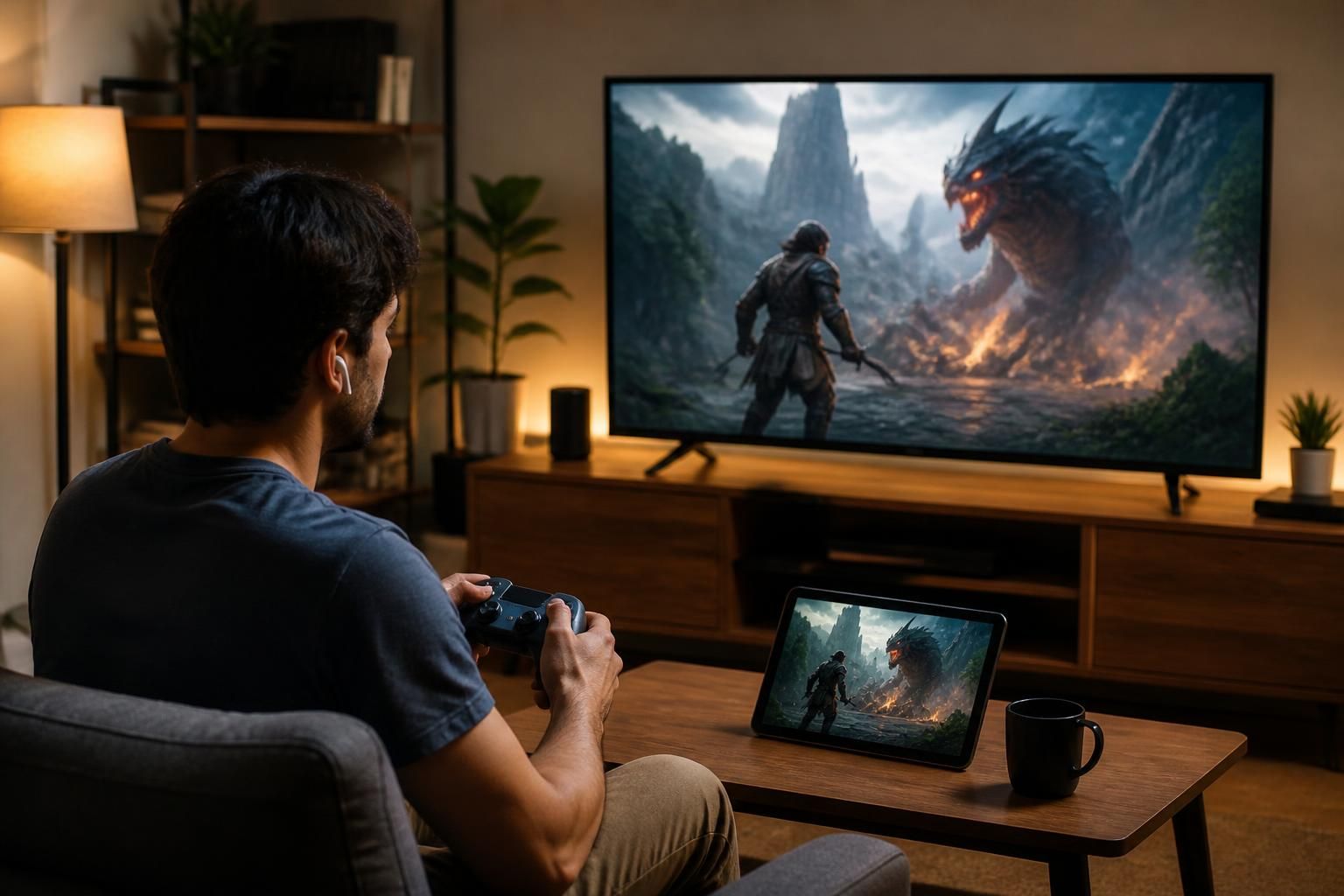
How game designers keep players engaged involves a multitude of innovative techniques that evolve with technology and player expectations. Creating captivating gaming experiences is no easy feat, as designers must blend compelling narratives, intricate mechanics, and social elements to maintain interest. This article explores several key methods game designers employ to keep players not just playing but truly invested in their games.
Immersive Storytelling and World-Building
One of the foremost techniques in keeping players engaged is the art of storytelling. A well-developed narrative pulls players into the game’s universe, making them feel as if they are part of a greater adventure. Game designers craft intricate plots that often feature relatable characters, moral dilemmas, and unexpected twists. This narrative depth encourages players to continue exploring the game to uncover all its secrets and resolutions.
Additionally, world-building plays a critical role. Designers create detailed environments filled with lore, history, and side quests that encourage exploration. Games like The Witcher 3: Wild Hunt excel in this regard. Players can lose themselves in the rich landscapes and stories that unfold as they make choices that shape the game’s outcome. By immersing players in a vibrant world, designers foster long-term engagement, prompting players to return time and again.
Diverse Gameplay Mechanics
Variety in gameplay mechanics is another essential strategy for engagement. Game designers often incorporate a mix of different play styles—from action and strategy to puzzle-solving and role-playing—to cater to a broad audience. This diversity not only keeps the gameplay fresh but also provides players with multiple ways to interact with the game. For instance, games like Fortnite combine shooting mechanics with building elements, creating a unique experience that appeals to a wide range of players.
Moreover, designers frequently introduce new mechanics or expand upon existing ones through updates and downloadable content (DLC). This ongoing evolution ensures that players have new challenges and experiences to look forward to, preventing stagnation. For example, in many online games, seasonal events introduce limited-time modes that change gameplay dynamics, encouraging players to engage with the game in new ways.
Social Interaction and Community Building
In a vastly connected world, social interaction has become a cornerstone of player engagement. Game designers leverage multiplayer features, allowing players to cooperate or compete with one another. This social aspect not only fosters a sense of community but also encourages players to invest more time in the game. Titles like Apex Legends thrive on teamwork, requiring players to communicate and strategize for success, which deepens their investment in the game’s ecosystem.
Furthermore, many games incorporate community-building features such as guilds, clans, or social media integration. These elements allow players to form bonds and share their experiences, which can be incredibly motivating. Designers often host community events, contests, or in-game challenges that incentivize player participation, creating a dynamic environment where players feel valued and connected to one another. For more on this topic, see tài xỉu.
Reward Systems and Progression Mechanics
Effective reward systems are central to how game designers keep players engaged. These systems provide players with a sense of achievement and progression, crucial for maintaining interest. By offering a variety of rewards—such as in-game currency, experience points, and unlockable content—designers keep players motivated to continue playing. A well-structured progression system can create a compelling loop, where players are continually driven to improve their skills and advance through the game.
Many games utilize a tiered system for rewards, introducing new levels of challenges as players progress. This gradual increase in difficulty invites players to push their limits and achieve more substantial rewards, keeping the gameplay exhilarating. Additionally, incorporating elements of surprise, like random loot drops or special in-game events, can heighten excitement. For instance, games that utilize surprise mechanics often lead to unexpected moments of joy, enhancing player satisfaction and encouraging continued engagement.
Player Feedback and Adaptation
Game designers increasingly rely on player feedback to refine their games and ensure ongoing engagement. Through various channels like forums, surveys, and social media, designers gather insights that help them understand player preferences and frustrations. This feedback loop allows designers to make informed decisions about game updates and new features, thus aligning the game with player expectations.
Moreover, adaptive difficulty settings have gained popularity as another method for enhancing player engagement. By adjusting the game’s difficulty based on player performance, designers can create a personalized experience that keeps players challenged but not overwhelmed. Such tailored experiences encourage a wider range of players to persist, enhancing both satisfaction and retention.
Conclusion
Understanding how game designers keep players engaged is essential for both creators and consumers within the gaming community. By employing multifaceted strategies such as immersive storytelling, diverse gameplay mechanics, enhanced social interaction, effective reward systems, and responsive adaptation, designers can craft experiences that resonate with players. As the gaming landscape continues to evolve, these techniques will remain pivotal in creating enduring relationships between games and their audiences, ensuring that players remain engrossed in their virtual adventures.