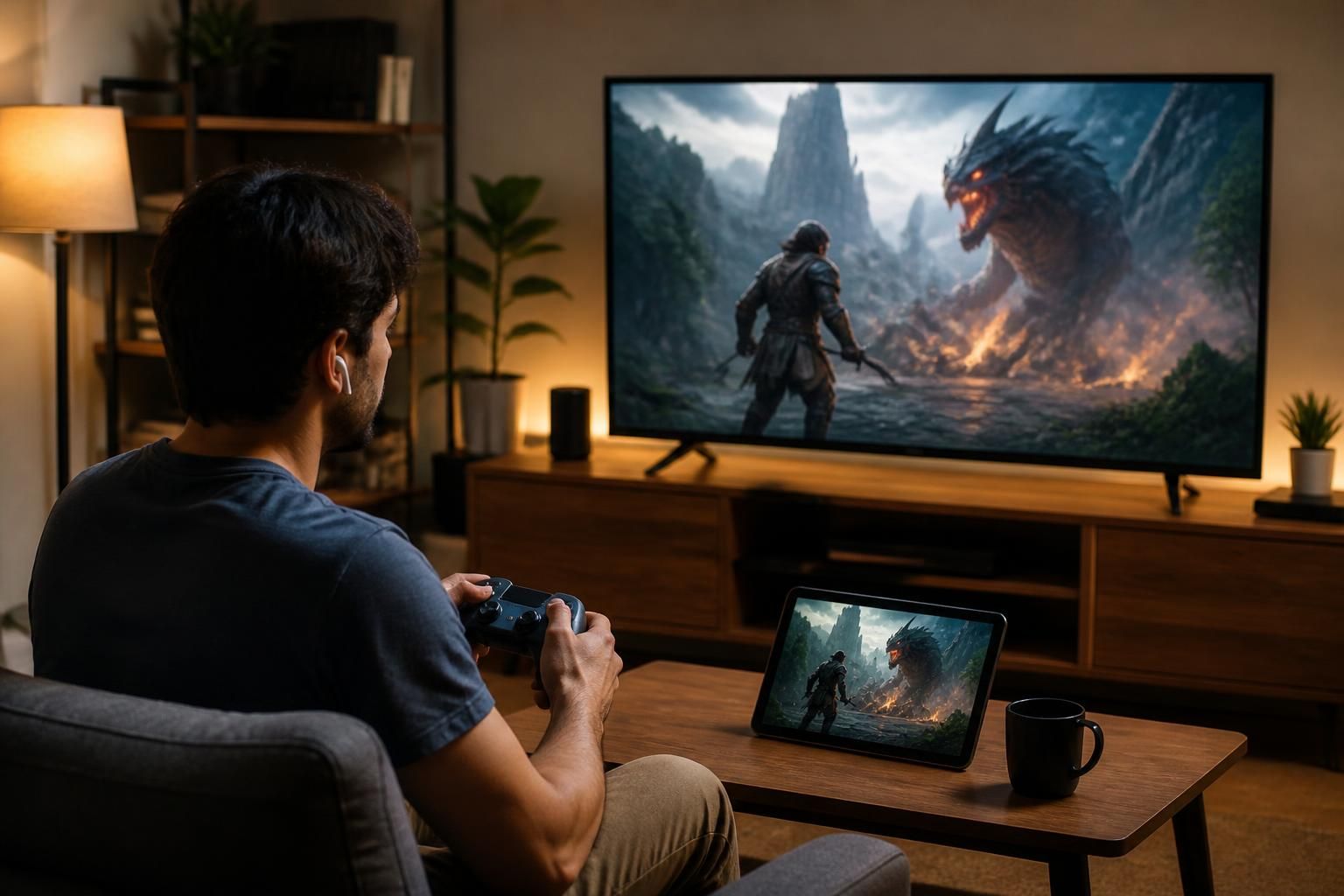
Retro games making a comeback is a phenomenon that resonates with gamers of all ages, evoking a sense of nostalgia and rekindling love for simpler times in gaming history. As the gaming industry evolves, it seems that many players are turning back to the classics that defined their childhoods, leading to a resurgence in interest for vintage titles and gaming platforms. This article explores the various dimensions of this trend, examining the driving forces behind it, the platforms that support it, and the unique experiences that retro games offer to a modern audience.
What Factors Are Driving the Resurgence of Retro Games?
The renewed interest in retro games can largely be attributed to a blend of nostalgia and the current cultural landscape. Many individuals who grew up in the 80s and 90s are now adults with disposable income, ready to revisit the games that shaped their early experiences. This demographic finds joy in the simplicity of 8-bit graphics, straightforward gameplay mechanics, and memorable storylines that often contrast with today’s complex gaming environments.
Moreover, social media platforms and online communities have played a significant role in this revival. Gamers share memories, gameplay videos, and even fan art of classic titles, creating a sense of community around retro gaming. Streaming platforms like Twitch enable players to relive and share their experiences, engaging both new and seasoned gamers in a dialogue about these beloved classics.
Platforms Bringing Retro Games Back to Life
With the resurgence in popularity, various platforms are emerging as champions of retro games. Modern gaming consoles, such as the Nintendo Switch, have made it increasingly easy to access collections of classic titles. Nintendo, for instance, frequently releases games from its iconic library through its Virtual Console and subscription services, allowing new generations to experience classics like “Super Mario Bros.” and “The Legend of Zelda.”
Additionally, dedicated retro gaming consoles are making waves in the market. Devices like the Sega Genesis Mini and the Atari VCS provide users with an authentic experience, often pre-loaded with beloved games and designed to connect seamlessly to modern televisions. Even the mobile gaming sector has jumped on board, with numerous retro games being remade or re-released on smartphones, bridging the gap between nostalgia and convenience.
The Impact of Indie Developers on Retro Gaming
Another noteworthy aspect of the retro gaming revival is the role of indie developers. Many independent studios are inspired by classic gaming aesthetics and mechanics, leading to the creation of new titles that pay homage to retro games. These creators often focus on pixel art, chiptune soundtracks, and streamlined gameplay, all of which resonate with fans of the genre.
Games like “Celeste” and “Shovel Knight” have become critical and commercial successes, demonstrating that the retro aesthetic can still captivate modern gamers. Furthermore, these indie titles often incorporate contemporary themes and mechanics, making them accessible to a broad audience while maintaining that nostalgic charm. This trend illustrates how retro games making a comeback can pave the way for innovative storytelling and gameplay experiences.
The Role of Nostalgia in Gaming Culture
Nostalgia itself is a powerful motivator in the gaming industry. The emotional connection many players have to their childhood games contributes to the popularity of retro titles. Marketers understand this sentiment, often leveraging nostalgia in their advertising strategies to draw in gamers who fondly remember the experiences they had with the original games.
Moreover, retro games often have lower barriers to entry, making them appealing to casual gamers. The simplicity of design and controls allows players to pick up a game and enjoy it without needing extensive tutorials or in-depth knowledge of complex mechanics. This accessibility encourages both young and old players to engage with retro titles, further solidifying their place within the gaming community.
The Future of Retro Gaming: Opportunities and Challenges
The future looks promising for retro games making a comeback, yet it is not without its challenges. As the gaming landscape continues to shift, developers must balance innovation with nostalgia, ensuring that new releases capture the essence of what made the originals great. The trends of remastering and remaking classic games may lead to oversaturation, where not every game can be successfully updated for modern audiences.
However, an ongoing appreciation for the past suggests that there will always be a place for retro games. As long as new platforms and indie developers continue to draw inspiration from earlier titles, retro gaming will likely remain a vibrant and evolving segment of the gaming industry. For those interested in exploring these opportunities, resources like luxury138 link can help connect them to communities that share their passion for nostalgia-driven gaming.
In conclusion, the phenomenon of retro games making a comeback highlights the enduring appeal of classic titles and the emotional connections they foster within the gaming community. As nostalgia continues to shape player preferences, it is clear that retro games will remain a cornerstone of gaming culture, allowing both new and veteran players to enjoy the timeless experiences that these titles provide.